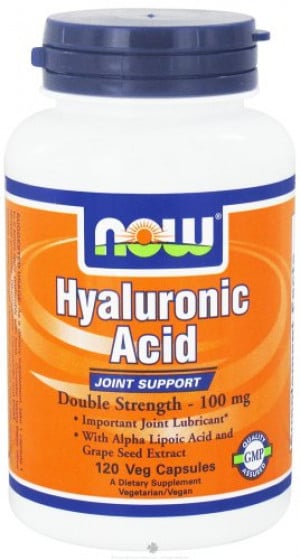
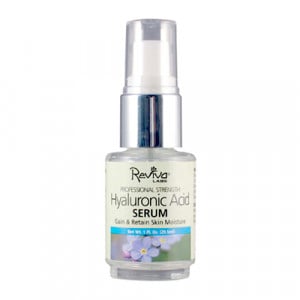
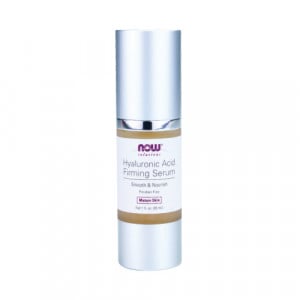
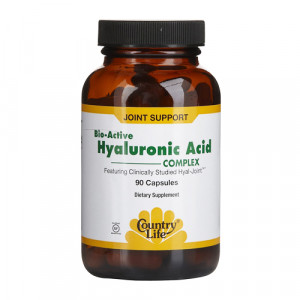
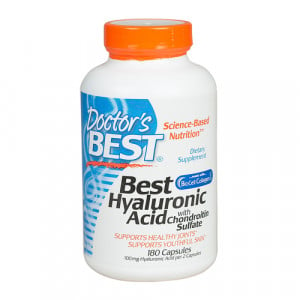
Hyaluronic acid is an element of the connective tissue that acts as a cushion and lubricant. It occurs in copious amounts throughout the body, especially in places where people with hereditary connective tissue disorders have problems, such as joints, heart valves and eyes.
[Read More]
[Read Less]
Hyaluronic Acid Benefits:
*Moisturizes skin from within
*Supports connective tissues
*Cushions joints, particularly in the knees
*Improves overall health & wellbeing
Hyaluronic Acid Functions
Hyaluronic acid is present in every tissue of the body and water retention is one of its most important biological functions. It is critical in providing nutrients and removing waste from cells, such as cartilage cells, that do not have a direct blood supply. If the amount of hyaluronic acid depletes, nutrients cannot be moved into these cells and waste cannot be eliminated. Hyaluronic acid is found in the synovial joint fluid, the vitreous humour of the eye, the cartilage, blood vessels, extracellular matrix, skin and the umbilical cord.
Hyaluronic Acid Supplements
Hyaluronic acid abnormalities are a common thread in connective tissue disorders. There are also common biochemical deviations in most of the individual features of connective tissue disorders such as mitral valve prolapse, TMJ, osteoarthritis, and keratoconus. Hyaluronic acid has been nicknamed the "key to the fountain of youth" because it has been noted that some people who ingest a lot of it in their diets tend to live longer. Some Japanese villagers have been known to live to ripe old ages due to hyaluronic acid. Hyaluronic acid for use by humans is derived from rooster combs, which provide the purest form available.
Benefits of Hyaluronic Acid
Hyaluronic acid has been shown to moisturize skin from the inside out, smoothing out wrinkles in the process. It also helps people who need to ease the flexing of their joints, especially their knees, by restoring cushioning to their joints. Hyaluronic acid is suitable for men and women in their 30s and 40s who are beginning to see the first signs of aging and for seniors who have diagnosed joint conditions.